Clumping Litter
Shop Clumping Litter's full range of cat litter, including clay, natural, and multi-cat options for superior odor control and easy cleanup. 15 min Click & Collect available.
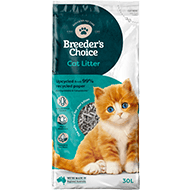
Recycled Paper

Natural

Tofu

Litter Accessories

Litter Trays & Boxes

Shop all Cat Litter
Understanding Clumping Cat Litter
Clumping cat litter is a popular choice among pet owners for its effective waste management and odor control properties. Designed to absorb liquid waste rapidly, it forms solid clumps that are easy to scoop away, leaving the remaining litter clean and fresh. This innovative design helps maintain a hygienic environment for your feline companion and simplifies the daily cleaning routine, making litter box maintenance more efficient.
What to Look for in Clumping Litter
When selecting clumping litter, consider factors such as material composition, odor control capabilities, and dust levels. Many varieties are clay-based, known for their strong clumping action, while others utilise natural materials like corn or tofu. Effective odor neutralisation is crucial for indoor environments, so look for formulas designed to trap and eliminate unpleasant smells. Low-dust formulations are also beneficial for respiratory health, both for cats and their owners. Consider the texture and scent preferences of your cat, as some may prefer fine grains or unscented options.
Types of Clumping Litter Available
The market offers a diverse range of clumping litter types to suit various needs. Traditional clay clumping litter provides excellent absorbency and firm clumps, making cleanup straightforward. For those seeking eco-friendly alternatives, natural options made from plant-based materials offer biodegradability and often come with unique odor-absorbing properties. Some clumping litters are specifically formulated for multi-cat households, providing enhanced odor control and absorbency to manage higher usage. Scented varieties can help mask odors, while unscented options are ideal for sensitive cats or owners.
How to Use and Maintain Clumping Litter
To maximise the benefits of clumping litter, ensure the litter box is filled to a depth of at least 7-10 cm. Scoop out solid clumps and waste daily to keep the litter fresh and prevent odors from developing. Replenish the removed litter to maintain the recommended depth. A complete litter change and thorough cleaning of the litter box should be performed every 2-4 weeks, depending on the number of cats and their usage. Always wash your hands after handling used litter.
Frequently Asked Questions
How often should I scoop clumping litter?
For optimal hygiene and odor control, clumping litter should be scooped daily, or even twice a day, to remove solid waste and urine clumps.
Is clumping litter safe for kittens?
While generally safe, some veterinarians recommend non-clumping litter for very young kittens (under 3-4 months) who might ingest the litter, as clumping materials could cause digestive issues. Always consult your vet.
What's the best way to dispose of used clumping litter?
Used clumping litter should be disposed of in the general household waste. Never flush clumping litter down the toilet, as it can clog plumbing systems.