
Indoor plants are affordable, stylish, and instantly brighten up a space. But the catch is, not all greenery is safe for your cat. Some common plants are harmless, while others can cause irritation, illness, or even be life-threatening if chewed or ingested.
Cats are naturally curious (and notorious nibblers), so it’s worth knowing which plants can safely share your home – and which ones you’re better off avoiding altogether.
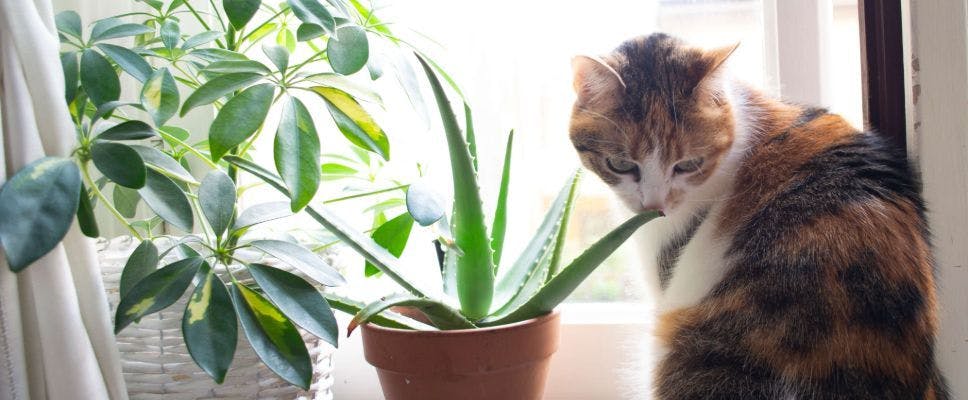
Cat-Friendly Indoor Plants
Looking to brighten up your home with greenery that won’t put your cat at risk? These cat-safe indoor plants are perfect for Australian households and can add style to your space without worry.
- Spider Plant – cats even enjoy batting at the leaves.
- Boston Fern – safe and adds a lush touch indoors.
- Parlour Palm / Areca Palm – easy-care and safe.
- Orchids – beautiful and non-toxic.
- Calathea (Zebra plant) – striking patterns, no harm to cats.
- Impatiens – safe and colourful.
- Banana plant – large tropical leaves, cat-friendly.
- Cast Iron Plant – resilient and safe.
- Roses & Sunflowers – classic and cat-safe blooms.
For a full reference, the ASPCA has an extensive list of both toxic and non-toxic plants for cats.

Common Poisonous Plants for Cats
Here are some of the most common plants you’ll want to keep out of reach (or skip entirely):
- Lilies – extremely dangerous, even small amounts can cause kidney failure.
- Bird of Paradise – toxic.
- Aloe Vera – soothing for humans, not for cats.
- Azaleas & Rhododendrons – can cause vomiting, diarrhoea, and weakness.
- Tulips & Daffodils – bulbs are particularly toxic.
- Mistletoe & Yew – dangerous during the festive season.
- Nightshade plants – contain solanine, which is toxic to cats.
What to do if my cat eats a poisonous plant?
If your cat has chewed a toxic plant, contact your veterinarian or a poison control service immediately. It shouldn’t be delayed in any circumstance, as several species of poisonous plants can cause death, even with diligent treatment.
When ingestion is recent, your vet may induce vomiting (only in-clinic and only when safe) and/or administer activated charcoal to limit absorption. Whether charcoal is given once or in repeated doses depends on the toxin.
Dr Natalia Li from Petstock has advice for this scenario.
It’s essential to provide as much information to your vet as accurately as possible, including the time of ingestion, the type of plant and the amount ingested. This not only helps the vets to come up with the most suitable treatment plan for your pet, but also dramatically increases the survival rate in some circumstances due to the timely administration of the correct medication and dosage. If your cat is showing symptoms, hospital care typically includes IV fluids and other supportive medications, with blood tests repeated to monitor organs (for example, kidneys after lily exposure). Dextrose (IV glucose) is used if indicated by your cat’s condition. Some cases require overnight or multi-day monitoring.
If your cat is asymptomatic, your vet may still recommend observation and follow-up blood work, as certain plant toxins cause delayed effects.
Possible symptoms include:
• Vomiting or diarrhoea
• Excessive drooling
• Lethargy or weakness
• Swelling around the mouth
• Breathing difficulties
• Abnormal heart rate
• Tremors or seizures
• Sudden changes in urination
• Collapse
Even if they look fine, toxicity can be delayed. Better to get them checked.
Preventing your cat from getting near plants
The best way to prevent your pets from encountering dangerous plants is simply not to have them around your home. The potential of your pet becoming seriously ill isn’t worth the risk, and there are many green alternatives for you to choose from that won’t pose a threat to your pet’s health.
The bottom line? Cats and plants can coexist happily, but it’s about making the right choices. Spring is a time when the risks multiply — new flowers, more garden chemicals, open windows — so a little extra vigilance goes a long way. Keep the toxic plants out, embrace the safe ones, and let your cat enjoy a safe (and stylish) home.
Poisonous plants FAQs
Are impatiens poisonous to cats?
Good news: impatiens are non-toxic to cats. If your cat decides to have a chew, they shouldn’t suffer any ill effects.
Are banana leaves toxic to cats?
No, banana plants (including their leaves) are safe for cats. They might shred the leaves for fun, but that’s about as bad as it gets.
Is bird of paradise toxic to cats?
Yes. Bird of paradise is toxic to cats. Ingesting it can lead to symptoms like vomiting, drowsiness, and difficulty breathing. If you love the tropical look, consider a safe alternative like a bromeliad or a spider plant instead.
Is cast iron plant toxic to cats?
Despite its name suggesting toughness, the cast iron plant is safe for cats. It’s hardy, low-maintenance, and doesn’t pose a toxic threat.
What are the symptoms of plant poisoning in cats?
Symptoms vary depending on the plant, but common signs include vomiting, diarrhoea, drooling, lethargy, and difficulty breathing. Some toxins, such as lilies, can cause kidney failure with very subtle early signs. If in doubt, seek veterinary care immediately.
How long after eating a plant will a cat show symptoms?
It depends on the plant and the amount eaten. Some cats show signs within minutes, while others may not display symptoms for hours or even days. Because delayed reactions are possible, it’s safest to call your vet as soon as you suspect ingestion, even if your cat looks fine.